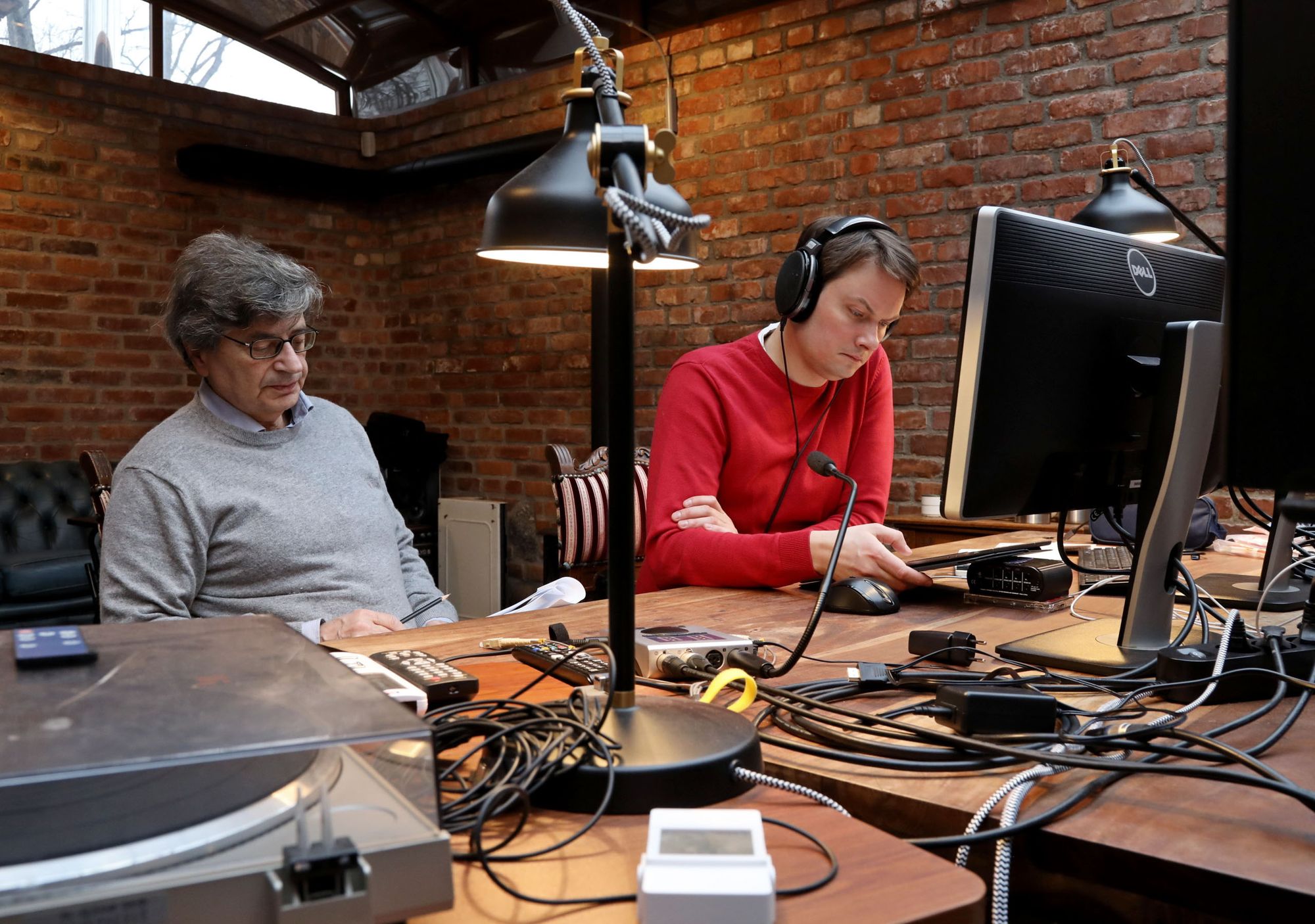

Aleksandra Kerienė and Vilius Keras are the founders of Baltic Mobile Recordings (BMR), an acoustic music recording company based in Vilnius, Lithuania. They are life partners and business partners. "We've been working together for almost fifteen years," Vilius says. "First we built a family, and then the company." Aleksandra adds with a laugh: "I'm not sure which one came first."

Aleksandra Kerienė is a Tonmeister, Vilius Keras a sound engineer and recording producer. Together they have built BMR into one of the most acclaimed recording teams in the Baltic region, working with artists including Gidon Kremer and his Kremerata Baltica Chamber Orchestra, conductor Mirga Gražinytė-Tyla, the City of Birmingham Symphony Orchestra, the Gewandhausorchester Leipzig and conductor Andris Nelsons, as well as the Zurich Opera House. Their credits include a Grammy nomination for Best Opera Recording (Verdi's Rigoletto, 2018) and a Grammy nomination for Best Orchestral Performance (Weinberg Symphonies with the City of Birmingham Symphony Orchestra, 2019). Their most recent recognition is an Opus Klassik nomination for Opera Recording of the Year for Weinberg's The Passenger with conductor Mirga Gražinytė-Tyla and the Orchestra del Teatro Real Madrid, an International Classical Music Award 2025 for best Chamber Music recording (Quatuor Danel Shostakovich: String Quartets Nos. 1-15), and an International Classical Music Award 2026 for Premier Recording (Shostakovich Discoveries).

The couple met as students in university in Lithuania. They first encountered the SCHOEPS Colette series when Aleksandra continued her studies in Copenhagen and Vilius went to Darmstadt. "That's when we first got our hands on them and understood what exceptional tools they are," Vilius recalls.
 

AN INVESTMENT THAT PAID OFF

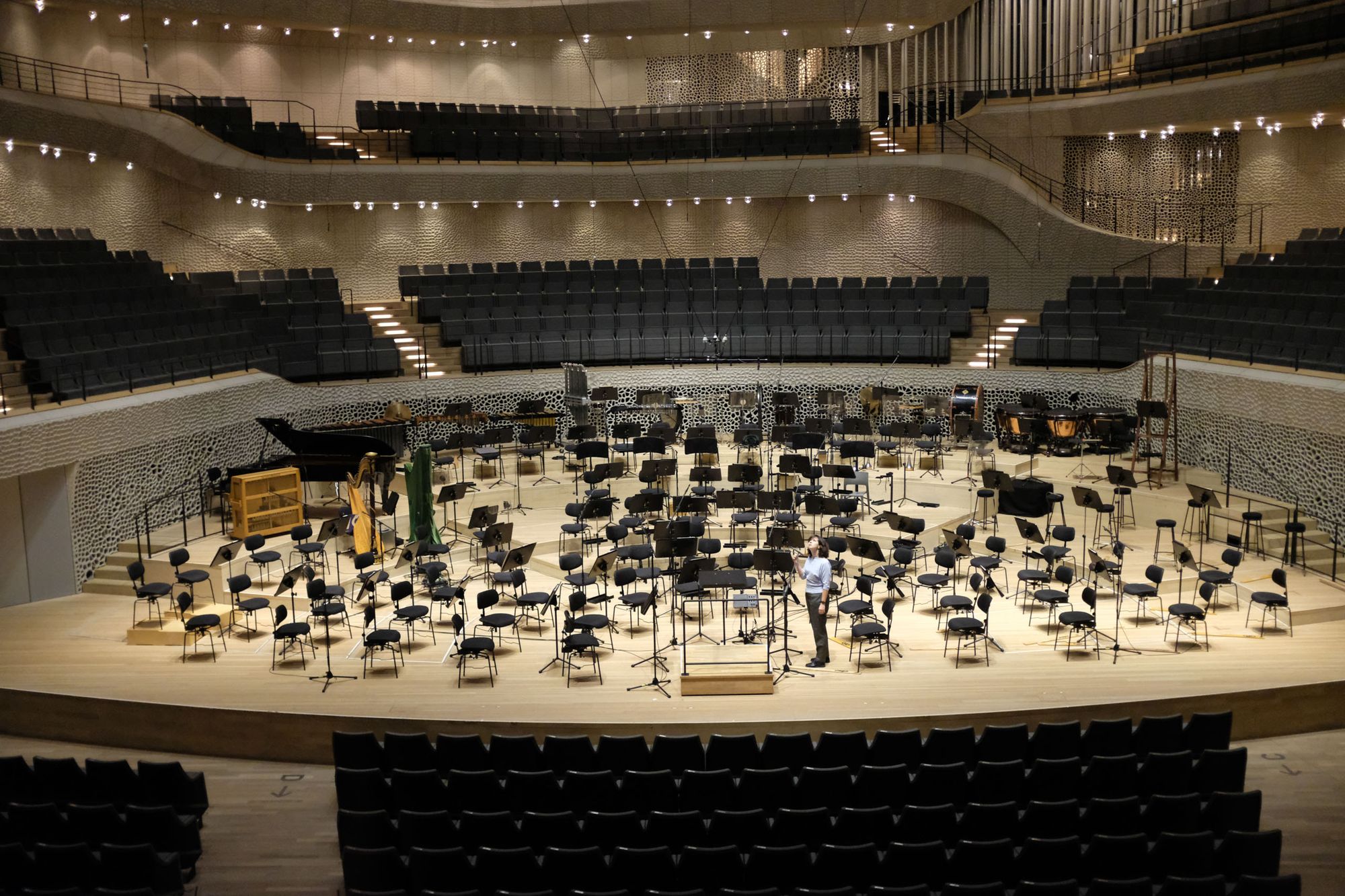
When the two partnered to found BMR, the question of what to purchase first had a clear answer. "We didn't buy each other presents as a couple. Instead, we bought SCHOEPS microphones for each other when we started the company, because that was the only way we could afford to get the business going," Vilius explains. "That's how we'll always remember SCHOEPS."

That early investment laid the foundation for a working relationship with SCHOEPS that has deepened over more than a decade. Today, BMR's microphone collection spans the Colette range and beyond, with each capsule serving a distinct role in their recordings.


THE KEY TO THE SESSION

Roughly eighty percent of BMR's work is closely tied to video production, a reality that shapes their microphone setup. When production companies call, Vilius explains, the first question they ask is whether you own Colette series microphones. "You can only work with them if you have the Colette series, because you need to be invisible while still delivering the same quality of sound," he notes.

In video productions, microphones often cannot be placed in the sweet spot because of camera sightlines. They may end up off to the side or at a suboptimal distance. "That's why we love working with SCHOEPS," Vilius notes. "They perform beautifully in off-axis situations, which is essential when you're coordinating with video directors."

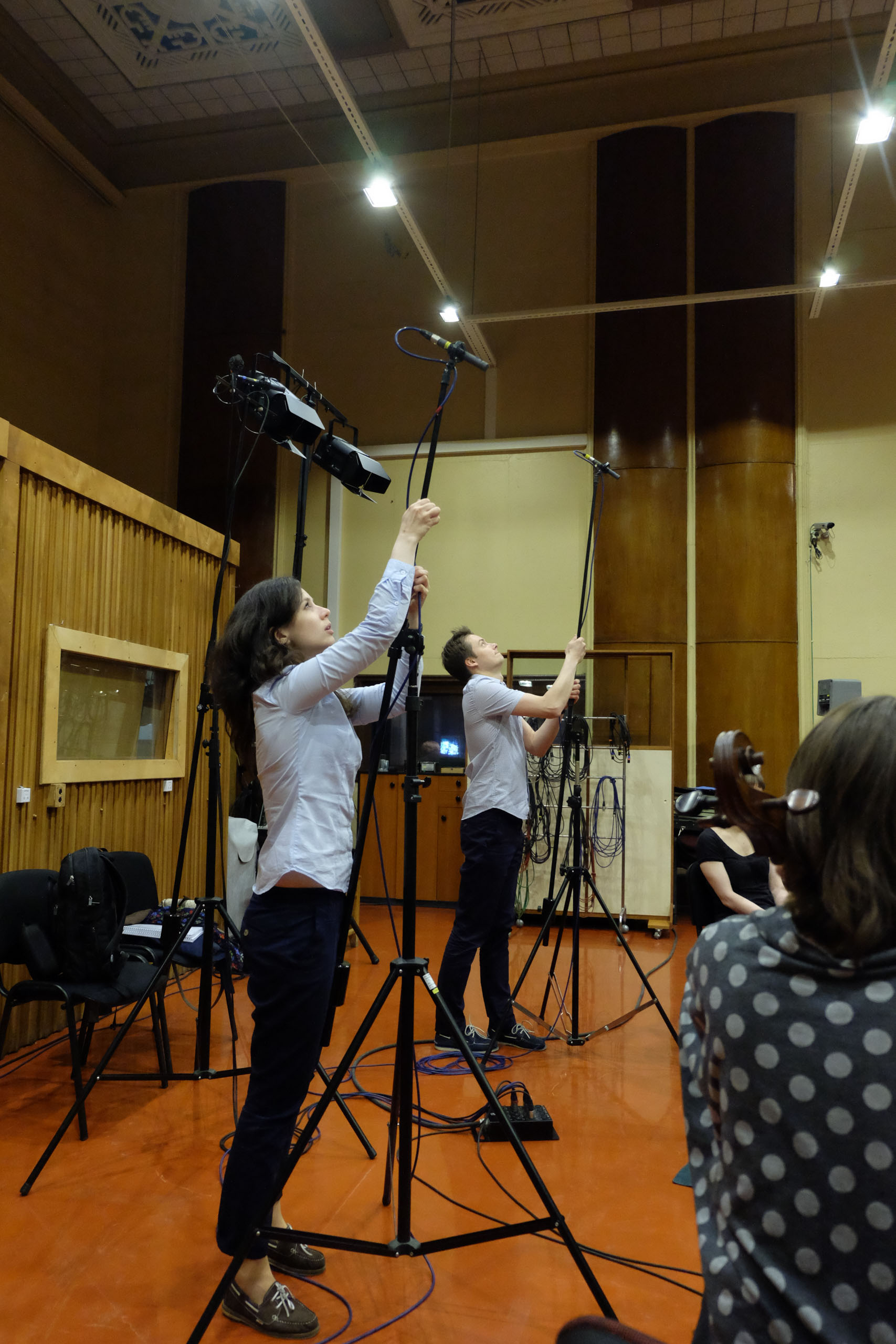
The CMC 1 K amplifier has become an important part of this workflow. Its compact form factor and permanently attached cable allow Aleksandra and Vilius to hang microphones in positions that would be impractical with larger amplifiers. "We use the CMC 1 K for its cabling flexibility. It lets us hang the microphones wherever we need them," Vilius says.

THE RIGHT CAPSULE FOR EVERY INSTRUMENT

With a mic locker encompassing 20 SCHOEPS capsules and 18 amplifiers, Aleksandra and Vilius are well-equipped for any recording challenge. Asked about their favorite capsule, Vilius is diplomatic: "There is no favorite. They're all favorites in a different way."

The MK 4 cardioid is their daily workhorse. But a pivotal discovery came during their long-running recording relationship with Gidon Kremer and Kremerata Baltica, which spans well over a decade. "We found that Kremer's violin sounds best with the MK 21," Vilius says. The MK 21 wide cardioid capsule has since become one of BMR's preferred choices for string recordings in general.

The MK 22 open cardioid fills a different role. Aleksandra uses it primarily for piano and praises its tonal qualities: "The MK 22 is amazing. The timbre is wonderful, and sometimes I think it actually helps musicians perform better."

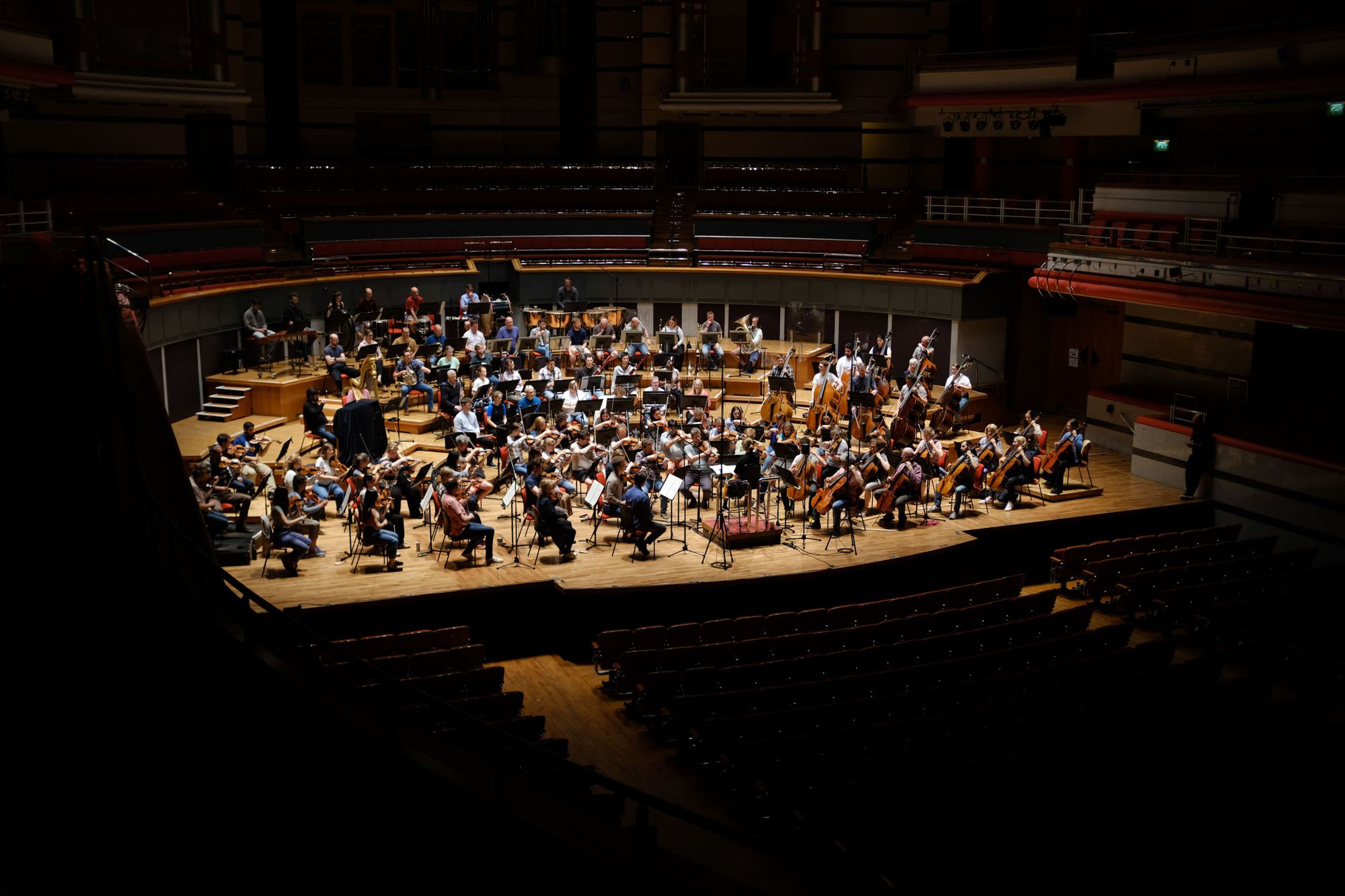
For immersive productions, BMR relies on SCHOEPS' omni capsules. However, due to video production constraints, they often can’t use common immersive microphone arrays such as Decca Tree 3D. Instead, they place MK 2 or MK 2S capsules at various positions in the hall to achieve decorrelation.

Recently, the couple has further added two V4 microphones to their collection. Although the V4 is often used as a vocal microphone, Aleksandra and Vilius have been experimenting with it on other sources. "We found that the cello sounds especially great with them, because the frequency response of the cello, the human voice, and the saxophone all occupy a similar range," Vilius explains.

The V4 has also proven popular with the musicians themselves. "When we show the artists which microphones we're using, the vocalists are especially excited," Aleksandra says. The microphone's striking appearance has become an unexpected asset: vocalists have told them they want to take selfies with it to promote themselves. "So we get great sound and a great picture," she adds.


RELIABILITY AND FLEXIBILITY

The modular design of the Colette system is central to BMR's work, and Vilius Keras is emphatic about its reliability. "The modular aspect is incredibly important, because it works every single time," he says. "We've tried many different modular systems, and SCHOEPS remains number one for robustness. The screw connection between capsule and amplifier -  it never fails. It just always works."

Beyond the mechanical reliability, Vilius values the sonic neutrality of SCHOEPS microphones as a creative foundation. "One of the things I appreciate most about SCHOEPS is that you can shape them into whatever you need, because the starting point is natural and neutral," he explains. "You can create any kind of sound from there, using plugins if you want, but you always retain that linear frequency response."

Aleksandra Kerienė and Vilius Keras apply the same ethos of reliability and flexibility to the rest of their signal chain. The analog signal path runs from the microphones to DirectOut Andiamo MC and Prodigy MC preamplifiers and Ferrofish AD converters via Mogami 2534 quadstar cables. From here, the signals continue via a fiber-optic MADI connection to audio interfaces by RME from their Madiface and Digiface series. Audio post-production and mixing is handled by Sequoia. On the monitoring end, the couple relies on Genelec monitoring in mobile recording situations, where robustness and compact dimensions are critical. In their permanent studio space, BMR uses a 7.1.4 system consisting of Dynaudio Air loudspeakers.  


STUDIO RESIDENCE PALIESIUS: WHERE ARTISTS COME FIRST

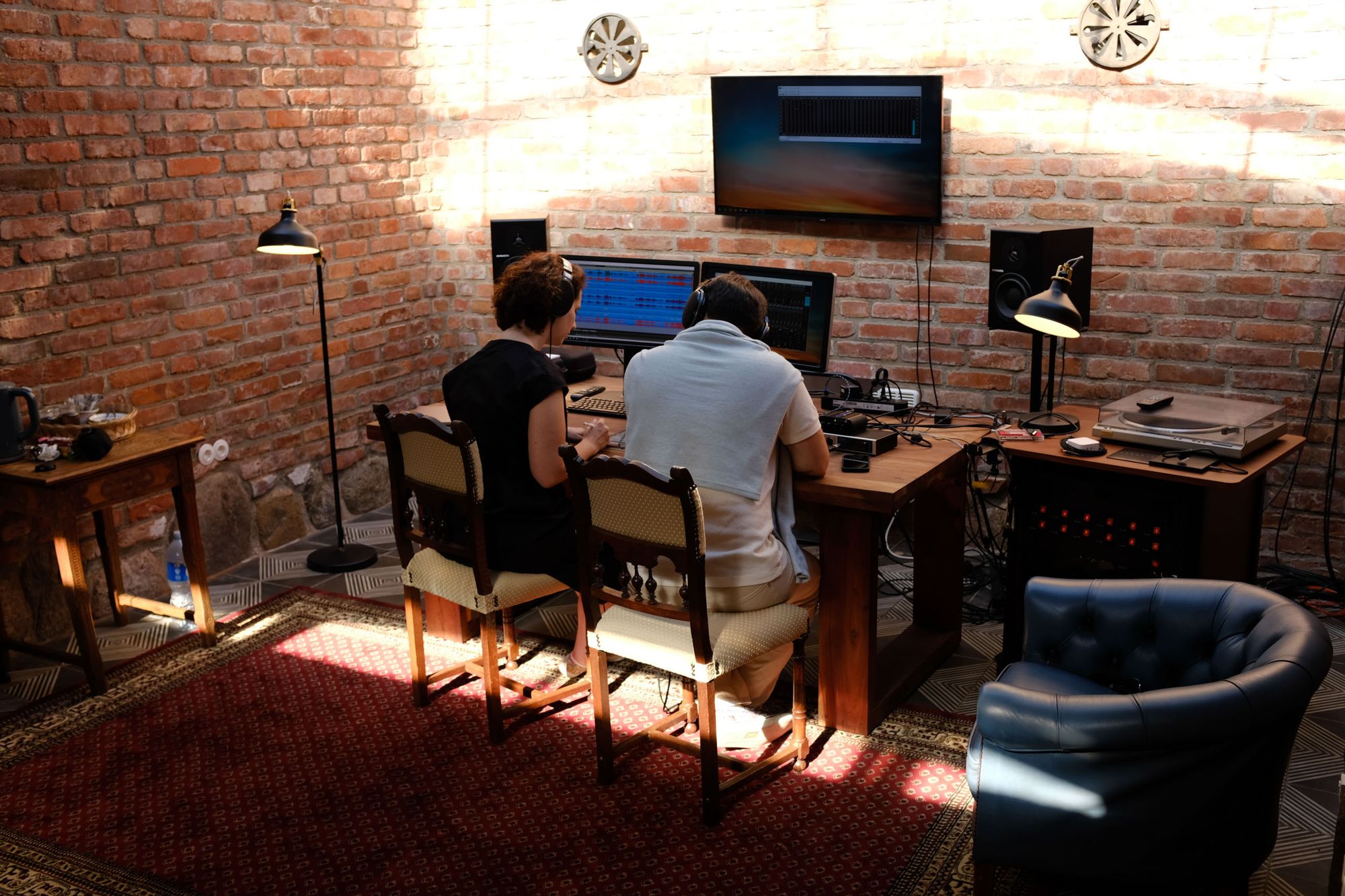
About ten years ago, Aleksandra and Vilius created something unusual: a recording studio residence in the grounds of the 17th-century Paliesius Manor, deep in the Lithuanian forests. The horseshoe-shaped concert hall, built of stone, glass, and wood, has hosted recording sessions for artists including Gidon Kremer, Lucas Debargue, David Geringas, Martynas Levickis, Zhu Xiao-Mei, Yunjie Chen, and the Klenke Quartet, among many others.

"We have a very magical place in Lithuania, in the middle of nowhere, in the forests," Aleksandra describes. The philosophy behind the studio is rooted in her belief that the artist's emotional state is the single most important factor in a recording session. "The feelings of the artists should always come first. When artists feel comfortable, that's when we get the best results."


At Paliesius, musicians live and work together from morning to evening, immersed in the music and the recording process, but also enjoying the space to relax and unwind. Aleksandra and Vilius involve the artists directly, inviting them to listen back to takes and explore what different microphone choices can achieve in post-production. Recently, Lithuanian mezzo-soprano Justina Gringytė recorded her album at the studio, and Vilius considers the space ideal for vocal and chamber music recordings. Also, last December, Aleksandra and Vilius recorded a program by the Danish composer Poul Ruders, and the atmosphere of Paliesius Manor - surrounded by forests and nature - was ideal for this project.

THE INVISIBLE MICROPHONE


When asked which productions they are most proud of, Vilius answers in a way that reveals how he and Aleksandra think about their craft. "We're usually proudest of the productions where you hear the best possible sound, but you can't see the microphones," he says. "That's the most interesting challenge for us."

His reasoning is practical. Placing a microphone in the optimal acoustic position and getting a good result is straightforward. "Anyone can do that with any kind of equipment." he acknowledges. The real test comes when the microphone has to be hidden, placed in a compromised position, or kept out of the camera's frame entirely. "With SCHOEPS, we can put a microphone anywhere, and the sound is still excellent. That's when we're really proud of what we do."

For Aleksandra Kerienė and Vilius Keras, this is what SCHOEPS microphones make possible: recordings where the technology disappears and only the music remains.


Learn more about Baltic Mobile Recordings: bmr.lt
Learn more about Studio Residence Paliesius: studioresidence.lt


featured products