
Whether in the studio or outdoors, acoustically sensitive microphones react to air motion caused by wind or speech (plosives such as “P” and “B”). To reduce this noise effectively, various pop filters, windscreens and windshields are deployed.
 

To help you choose the right wind protection, we'll address:

  • What types of wind protection are there, and how do they differ?
  • Do windshields distort the sound quality of the microphone?
  • How the directivity of a microphone affects wind noise?
     

Many terms such as “windscreen”, “pop screen” or “basket-type windshield” (or in British usage “blimp”, “windshield”, etc.) are often used interchangeably, which can be confusing. At SCHOEPS, we categorize wind protection into five types:

  • Foam windscreens and pop screens
  • Hollow foam wind- & pop shields
  • Small basket windshields
  • Heavy-duty basket windshields
  • Special basket windshields

What types of wind protection are there, and how do they differ?


Simple foam windscreens and pop screens

… are classics for use in the studio or in live production. Lightweight, open-pore foam covers are placed directly onto the microphone, where they provide reliable protection from popping sounds or mild air currents. Thus, these wind- and pop screens are well-suited for applications in controlled acoustical environments such as speech recordings, podcasts, program moderators or studio interviews.
Foam windscreens are particularly well suited for pressure transducers (omnidirectional capsules such as the MK 2). For directional microphone capsules, however, hollow windscreens are more effective.


Which SCHOEPS products belong to this category? 

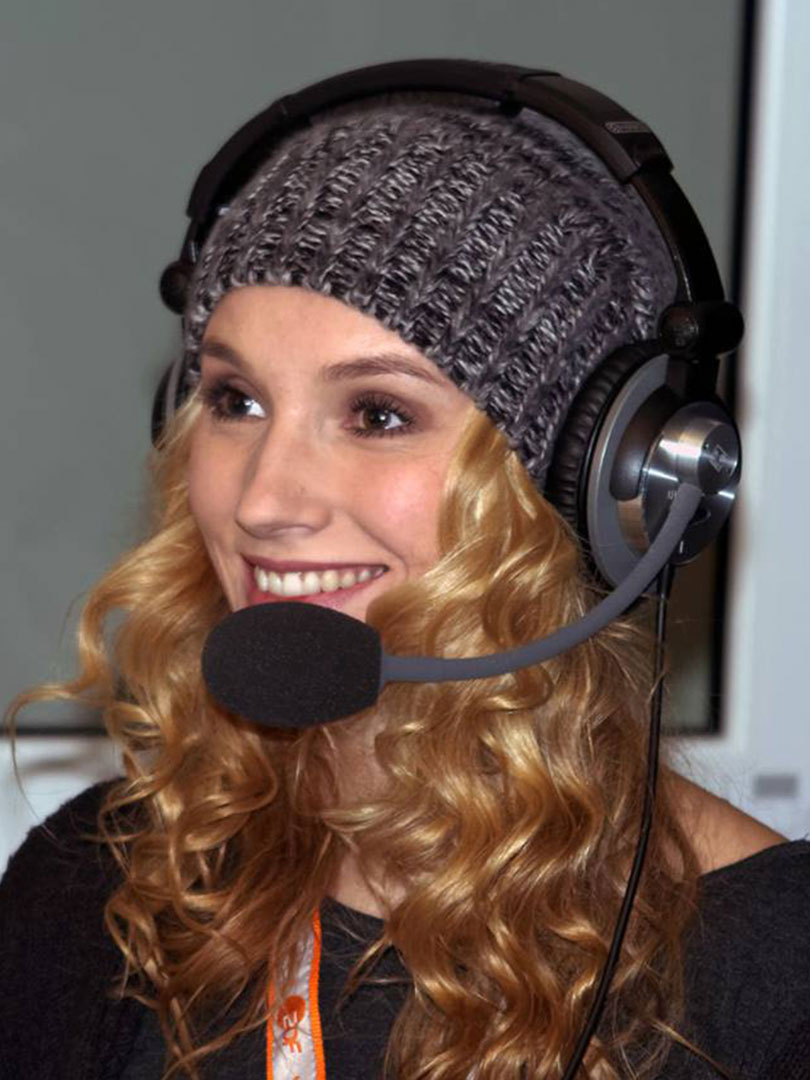
Application example: B 5 on a moderator’s headset


Hollow foam wind- & pop shields

… have the same shape as ordinary foam pop screens, but contain an interior air space. Thus the microphone capsule is situated in an acoustically “decoupled” volume of air, and is more effectively protected from stronger air motions.

Hollow foam shields are used mainly when good protection from popping and wind noise are required but the shield must be kept small.

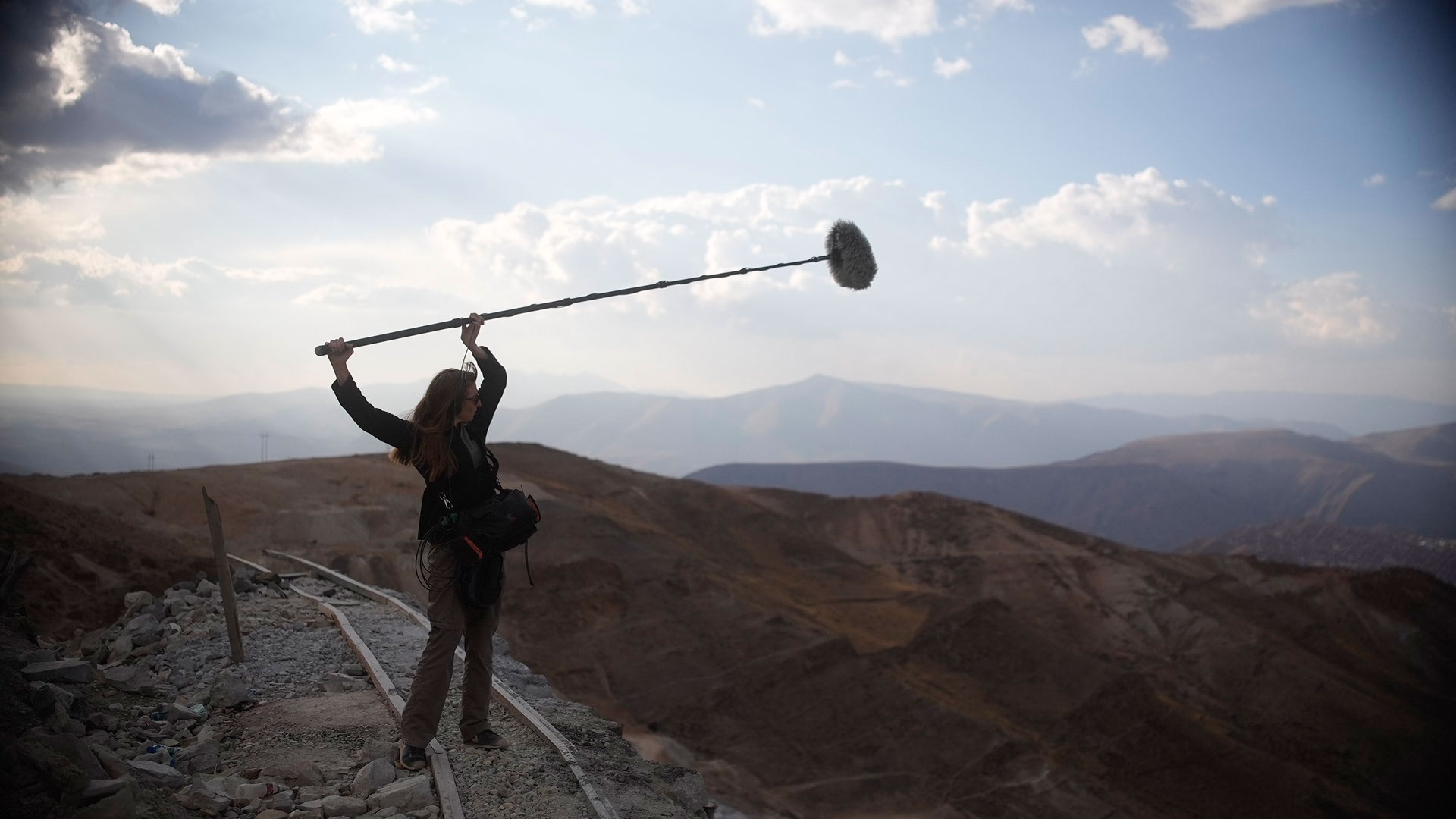
The small, hollow foam shield B 1 D is very often used on table stands. The mid-sized B 5 D is a classic--still the most-used wind- and pop shield for our microphones. It serves as a pop screen on table stands and on microphone stands for singers; it also functions as a windshield for up to moderately severe wind. It can be seen at classical open-air concerts but also on boom microphones for film sound, where it protects against relative air motion due to movement of the boom arm.

The W 5 D is used for protection at open-air events if the wind might become somewhat stronger.


SCHOEPS products in this category: 

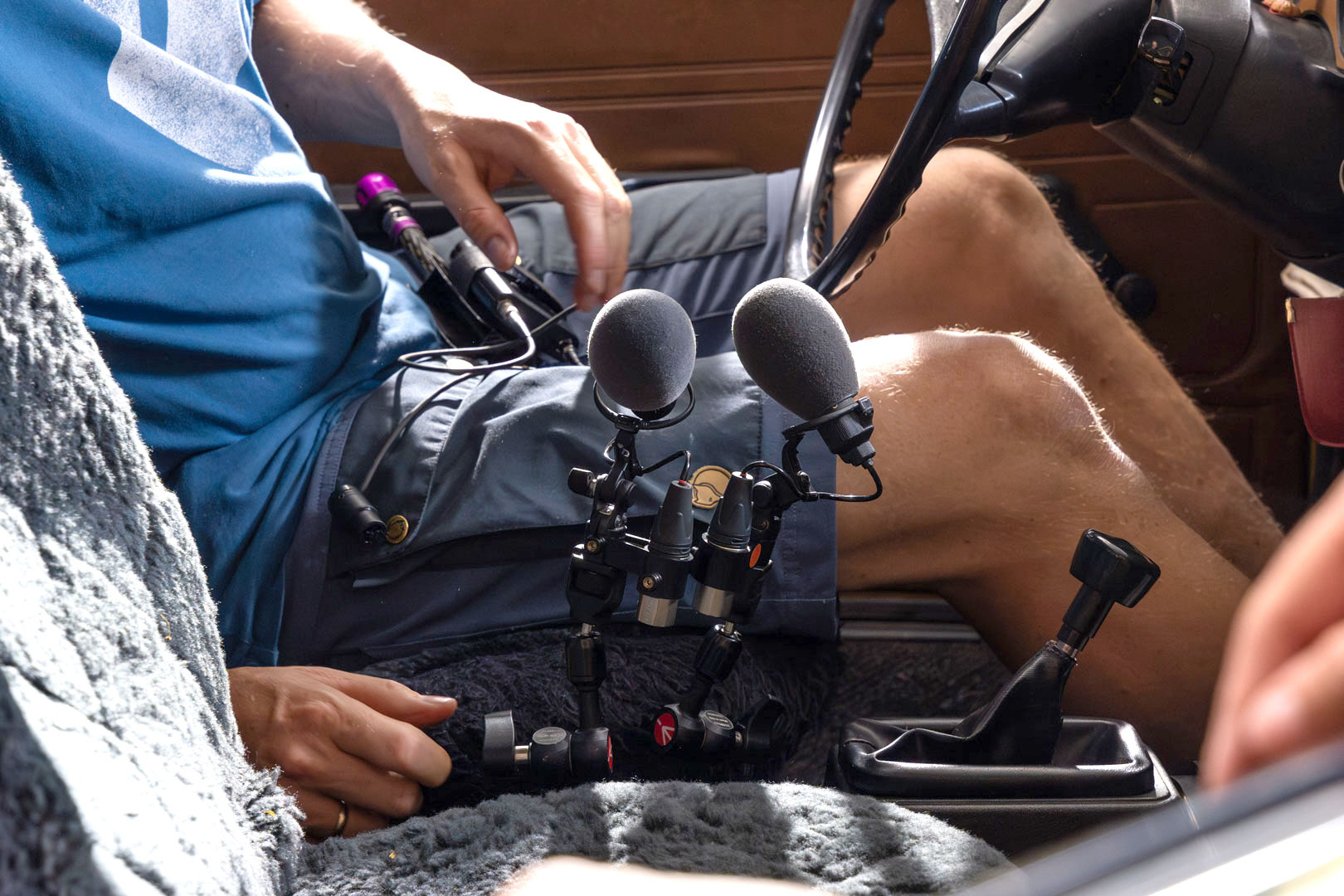
B 5 D in a car on a film set
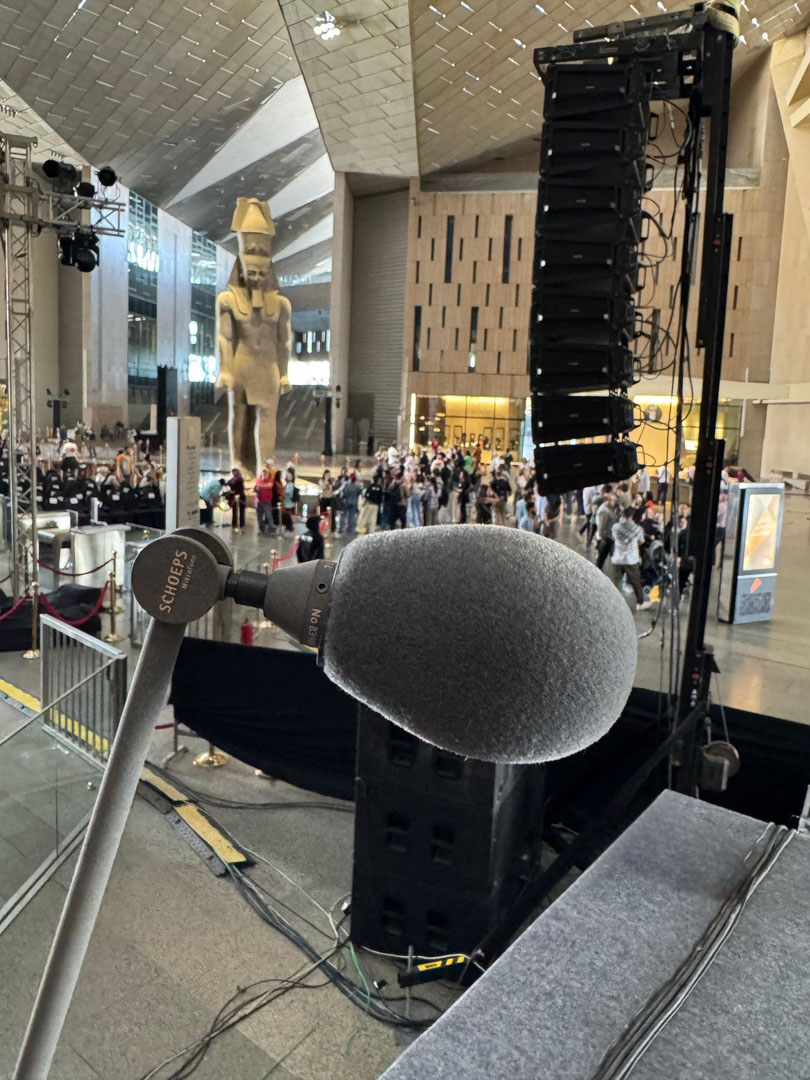
B 5 D at a concert of the Royal Philharmonic in the Grand Egyptian Museum (Foto: Hasni Nassif)

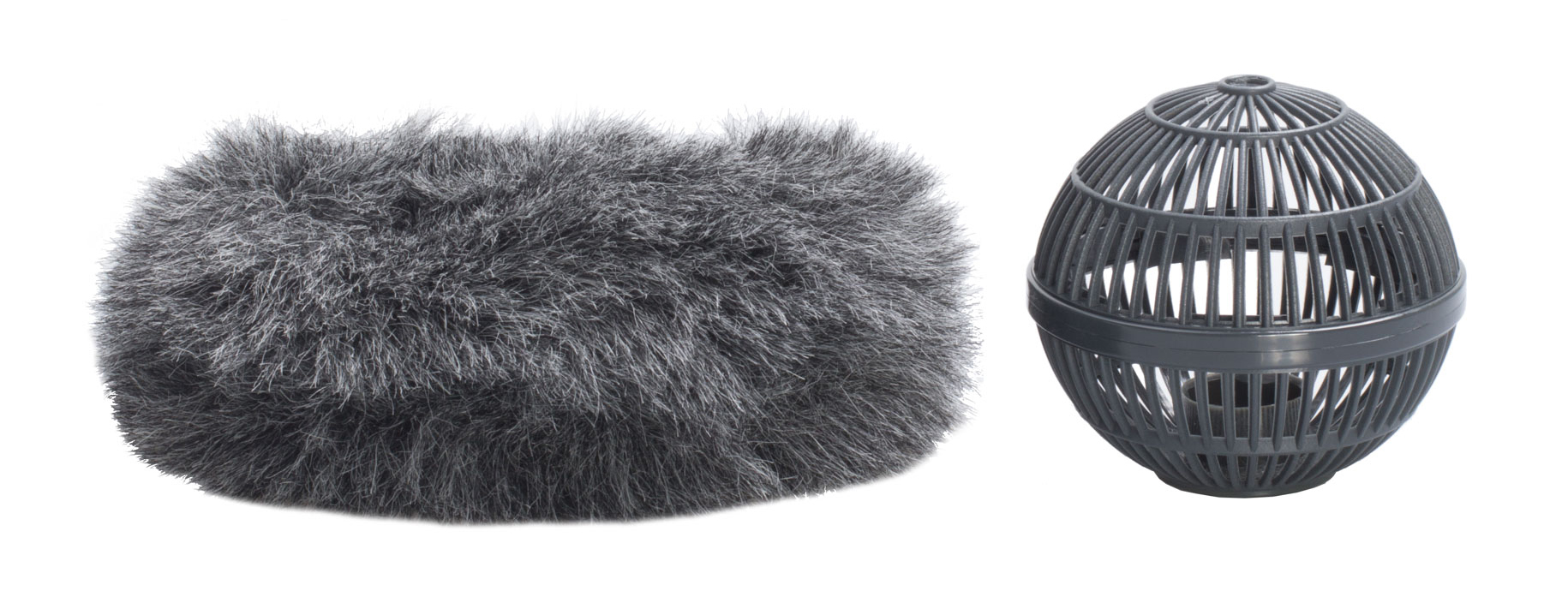
B 5 foam windscreen and B 5 D hollow foam windscreen for comparison


Small basket windshields

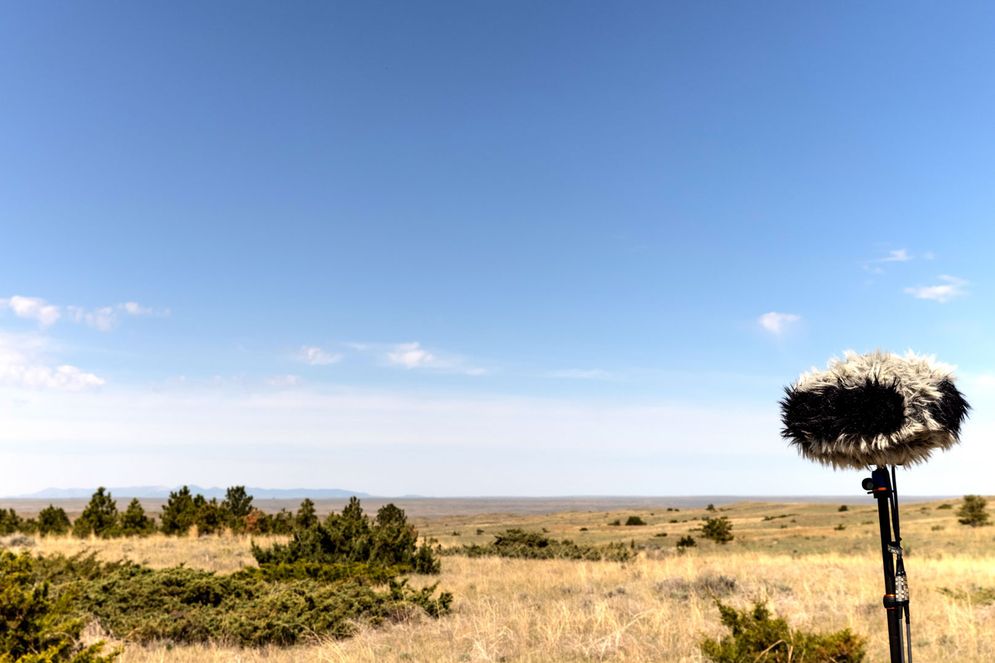
When greater protection from wind is required, windshields with a more stable outer shell rather than foam are called for. They can be covered with cloth material or a fur-like “overcoat” (commonly also known as a dead cat) that offers good protection even in moderately strong wind.


Products in this category: 

W 20 R1


Heavy-duty basket windshields

In contrast to small basket windshields, these surround the microphone completely and contain an elastic suspension to protect against vibrations and noise from the boom or stand.
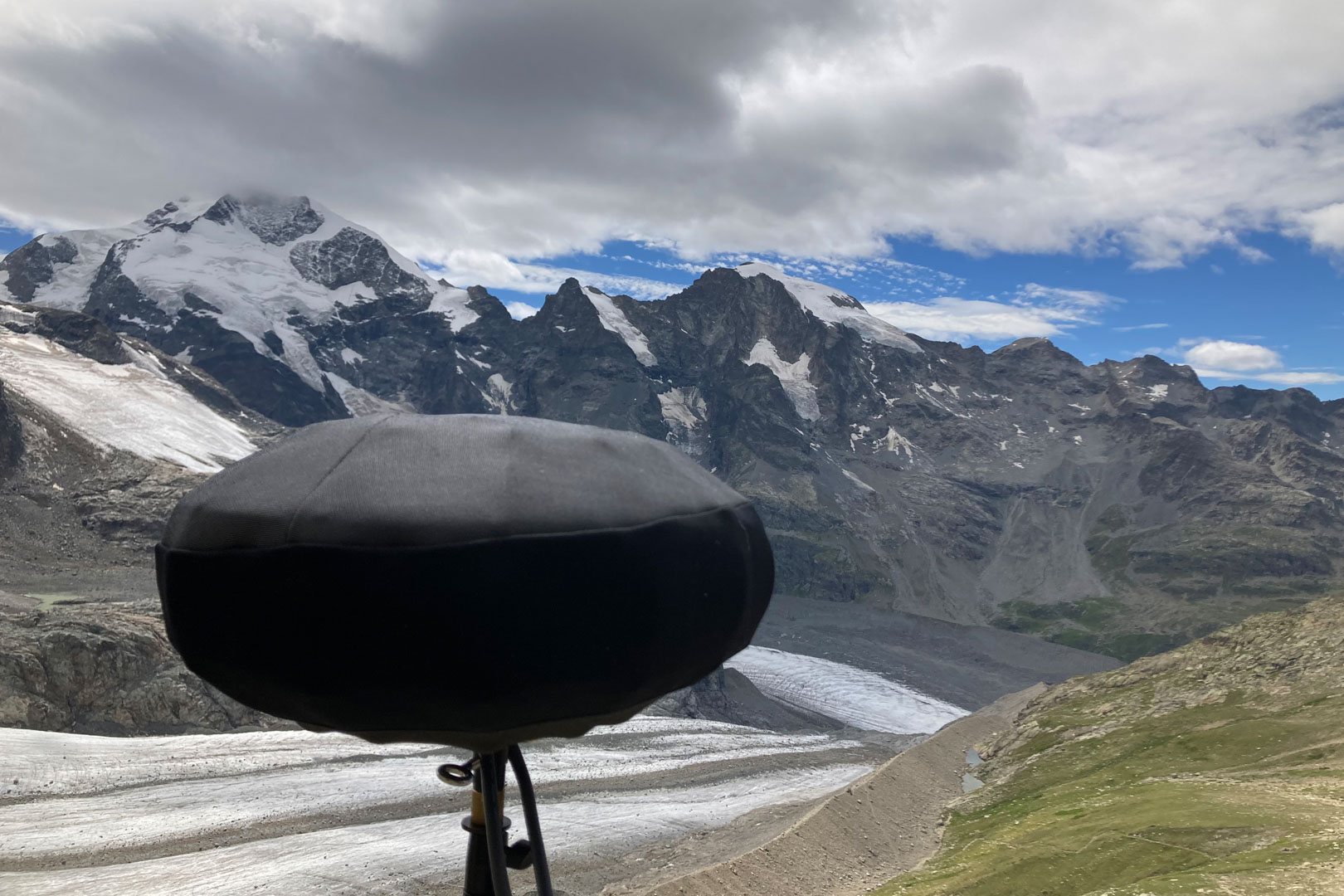
They can optionally be used with a fur-like covering and/or a rain cover for additional protection. They are particularly effective for recording in the presence of stronger wind, as can occur in film production, sports stadiums, or field recording.
 

Which basket windshields do we recommend?

We recommend the products of CINELA (COSI, PIANISSIMO, PIANO, ALBERT) und Radius (Mini-ALTO)


MiniCMIT protected by a CINELA PIANISSIMO in the silver mine at Cerro Rico in Bolivia (Photo: Börres Weiffenbach)


Special basket windshields

For particular microphone arrangements for stereo, surround or immersive recording there are special solutions that integrate the microphone setup, its suspension, and wind protection. While MS stereo using a double suspension can also be realized with single windshield, there are also specialized products for spaced-microphone arrangements.
A shared basket for stereo, surround or immersive arrays ensures that all microphone capsules are exposed to the same conditions, resulting in wind noise being perceived as more natural and less disruptive. Therefore, when practically feasible, a large basket should always be preferred over individual windshields for each microphone. Furthermore, the larger volume of a shared basket has a positive effect on wind protection performance compared to individual smaller windshields.v


Which products belong to this category?


ORTF-3D basket windshield with cloth “overcoat”
ORTF-3D basket windshield with fur-like covering for maximal wind protection
Foto: Nick McMahon

Does a windshield alter the sound of the microphone? 

All windshield systems are built to be as acoustically transparent as possible, in order to preserve the naturalness of sound while simultaneously protecting from wind or popping noise. In general, the stronger the protective effect, the more it will influence the sound. But there are large differences among the various systems, since with appropriate measures, the manufacturer of a basket windshield (for example) can minimize its effect on sound quality.


Sound quality can be affected in the following ways:

  • Reduction of high frequencies due to absorption by the material
  • Resonances within the basket
  • Alteration of the microphone’s pickup pattern by the basket
  • Wind noise due to the basket itself
  • Noise due to rain falling on the basket

How microphone directivity affects wind noise

In general, the greater the directivity of a microphone or capsule, the more susceptible it is to wind or breath noise. In mild to moderate wind the level of wind noise in a supercardioid will be around 2 to 5 dB greater than with a cardioid. An omnidirectional (pressure) microphone is the least susceptible to wind noise; the difference in sensitivity to wind between omnidirectional and directional microphones can be as great as 20 dB.

The featured products